
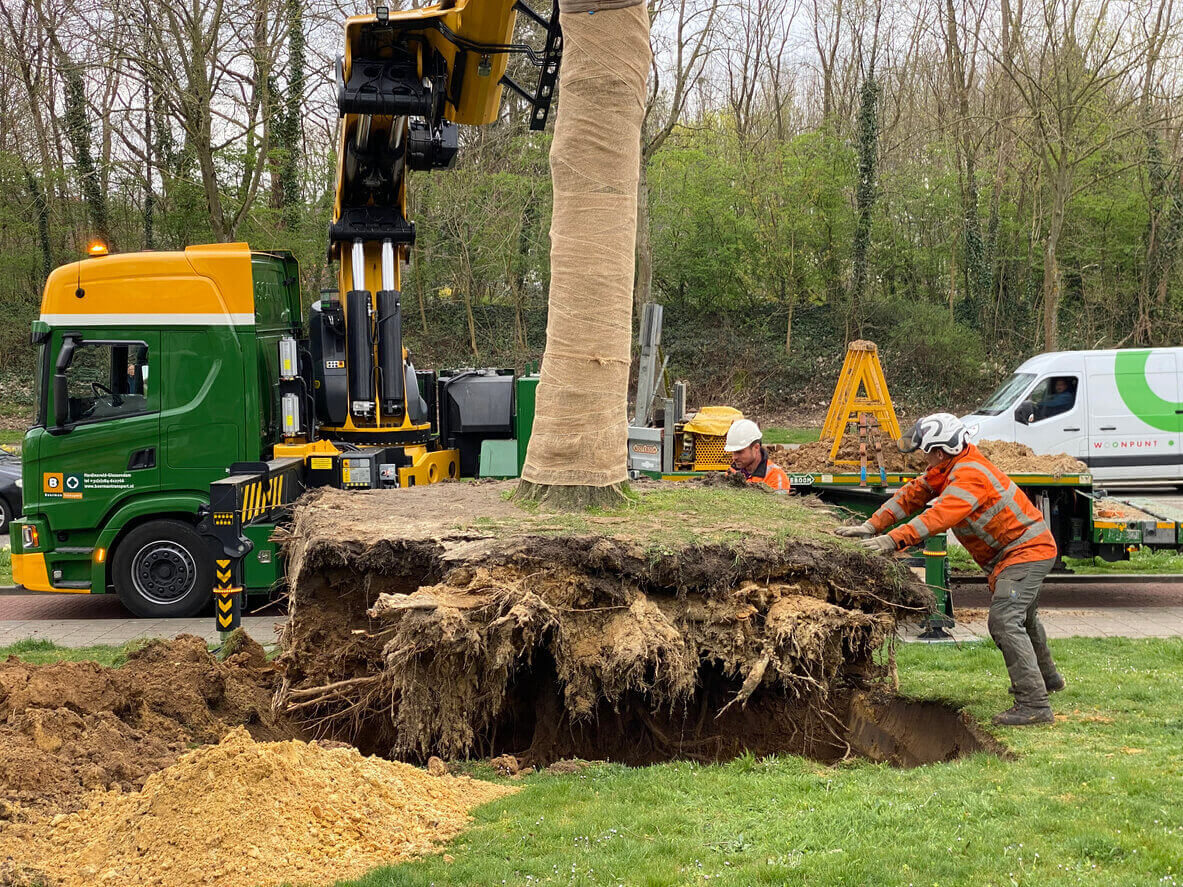
Palm transplant Melbourne is a specialised service that allows property owners to relocate established palms without losing their beauty or value. Palms are popular in Melbourne gardens for their tropical look, but sometimes they outgrow their space or need moving due to redevelopment. This article explains the main methods used for palm relocation Melbourne, the risks involved, and how to care for palms after transplanting.
Why Palms Are Easier to Transplant
Unlike many trees, palms have a fibrous root system that makes them excellent candidates for relocation. Instead of deep taproots, their roots regrow quickly after being cut, which increases survival rates. This means palm transplant Melbourne services are often more successful than attempts with other species.
Palm Transplanting Methods
The approach used depends on palm size and site conditions:
- **Manual Digging** – Smaller palms can be carefully dug by hand with root balls kept intact.
- **Mechanical Equipment** – Medium to large palms require excavators or cranes to safely lift and transport them.
- **Root Ball Preparation** – The larger the root ball, the higher the survival chance. Soil around roots is kept moist during the move.
- **Replanting** – Palms must be replanted at the same depth they were originally growing, with soil compacted firmly around roots.
Risks to Consider
Although palms are resilient, palm relocation Melbourne does involve risks:
- Transplant shock may cause yellowing or loss of fronds in the first 6–12 months
- Incorrect handling can damage roots or the trunk
- Large palms may not re-establish if aftercare is poor
- Transport and machinery costs can be significant for tall specimens
Engaging experienced arborists reduces these risks and increases survival rates.
Palm Aftercare Tips
Aftercare is crucial to help palms re-establish:
- **Watering** – Deep watering 2–3 times per week in the first year
- **Mulching** – A 5–10cm mulch layer helps retain moisture
- **Staking** – Tall palms may need bracing to prevent wind damage
- **Fertilisation** – Apply slow-release fertiliser once roots show signs of recovery
Most palms recover within 12–24 months if properly maintained.
Frequently Asked Questions
Q: Can all palm species be transplanted?
A: Most can, but success rates are highest for Date Palms, Canary Island Palms, and Fan Palms.
Q: How tall can a palm be and still be transplanted?
A: Palms up to 8–10 metres are commonly moved, though larger ones require cranes and special permits.
Q: Is summer a good time for palm transplanting?
A: Ideally, cooler months are preferred to reduce stress, but palms can survive summer moves with extra aftercare.
Further Resources
For expert guidance, see:
- Arboriculture Australia – Palm management and transplanting: https://arboriculture.org.au
- City of Melbourne – Tree works and planting advice: https://www.melbourne.vic.gov.au
In conclusion, palm transplant Melbourne is a practical way to preserve valuable palms while adapting your property layout. By choosing the right transplanting method, managing risks, and providing proper aftercare, palm relocation Melbourne can deliver excellent results and keep your garden looking its best.