
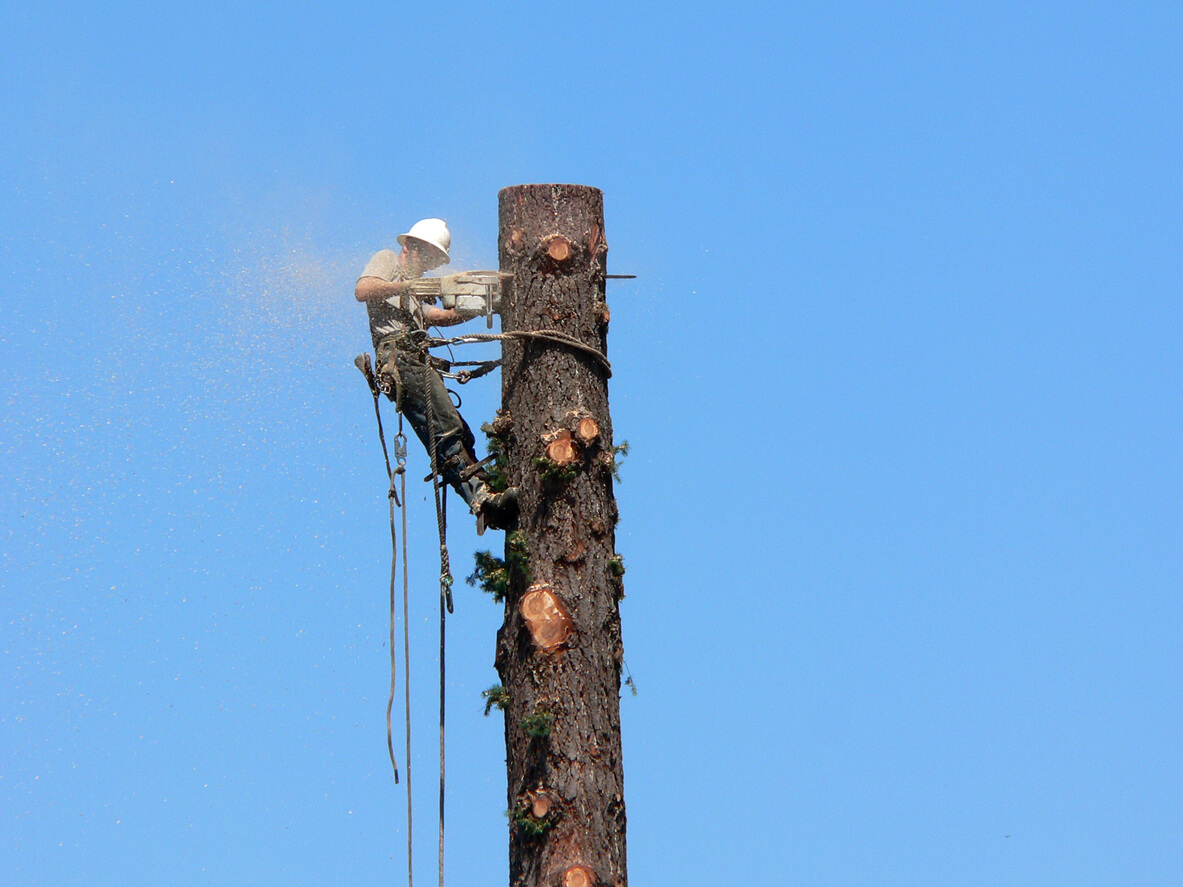
Emergency tree removal Melbourne is often required after violent storms, when fallen trees can block driveways, damage homes, or create dangerous hazards. Knowing what steps to take immediately after a storm can protect your family, prevent further property damage, and ensure council and insurance compliance. This guide explains what to do first, what mistakes to avoid, and when to call a qualified arborist for safe removal.
Step 1: Prioritise Safety Above All Else
The first priority after storm damage is ensuring everyone’s safety. Stay clear of fallen powerlines and report them immediately to your electricity distributor or Energy Safe Victoria. Do not attempt to cut large branches or climb damaged trees yourself – hidden stress points in the wood can cause sudden splits or collapses. Keep children and pets away from affected areas until the situation is secure.
Step 2: Contact Authorities and Your Insurance Provider
If a tree has fallen onto public property, such as a road or footpath, notify your local council immediately. For private property damage, document the scene with photos and contact your home insurance provider before authorising major works. Insurers usually require evidence that damage was storm-related and that emergency action was necessary.
Step 3: Engage Professional Arborist Services
Emergency tree removal Melbourne requires expertise and equipment to safely cut and clear large, unstable trees. Professional arborists use cranes, elevated work platforms, and rigging to manage dangerous removals. Attempting DIY removal can result in serious injury or further property damage. Qualified arborists are also insured, giving you peace of mind during stressful events.
What Not to Do After a Storm
Many property owners make avoidable mistakes in the aftermath of storm damage. Avoid these pitfalls:
- Don’t use chainsaws without training – kickback accidents are common
- Don’t ignore damaged trees that are still standing – they may fall later
- Don’t hire unqualified operators – unlicensed work can void insurance
- Don’t delay emergency removal if safety is at risk – quick action prevents escalation
By steering clear of these mistakes, you ensure faster recovery and fewer complications.
Emergency Tree Removal Checklist
Here’s a quick step-by-step checklist you can follow:
- Check for immediate dangers such as live wires or leaning trees
- Keep people and pets clear of the affected area
- Call emergency services if lives are at risk
- Notify council if public spaces are impacted
- Document the damage with photos for insurance claims
- Contact your insurance provider to lodge a claim
- Arrange professional arborist services for removal and clean-up
Frequently Asked Questions
Q: How quickly can an arborist attend after a storm?
A: Many arborists offer 24/7 emergency call-outs, with response times varying based on storm severity and demand.
Q: Will my insurance cover emergency tree removal?
A: Most policies cover storm-related damage, but coverage may depend on whether trees were maintained beforehand.
Q: Can I keep the timber after removal?
A: Yes, in most cases the timber is left on-site if requested, though some councils may have restrictions on disposal.
Further Resources
For official safety advice and regulations, see:
- Energy Safe Victoria – Storm and powerline safety: https://www.esv.vic.gov.au
- VicEmergency – Storm response and community recovery: https://emergency.vic.gov.au
In conclusion, emergency tree removal Melbourne requires quick thinking, professional assistance, and careful documentation. By following the right steps and avoiding common mistakes, you can keep your family safe, protect your property, and recover swiftly after a storm.